
Combining Self-Practice with Classes for Faster Progress

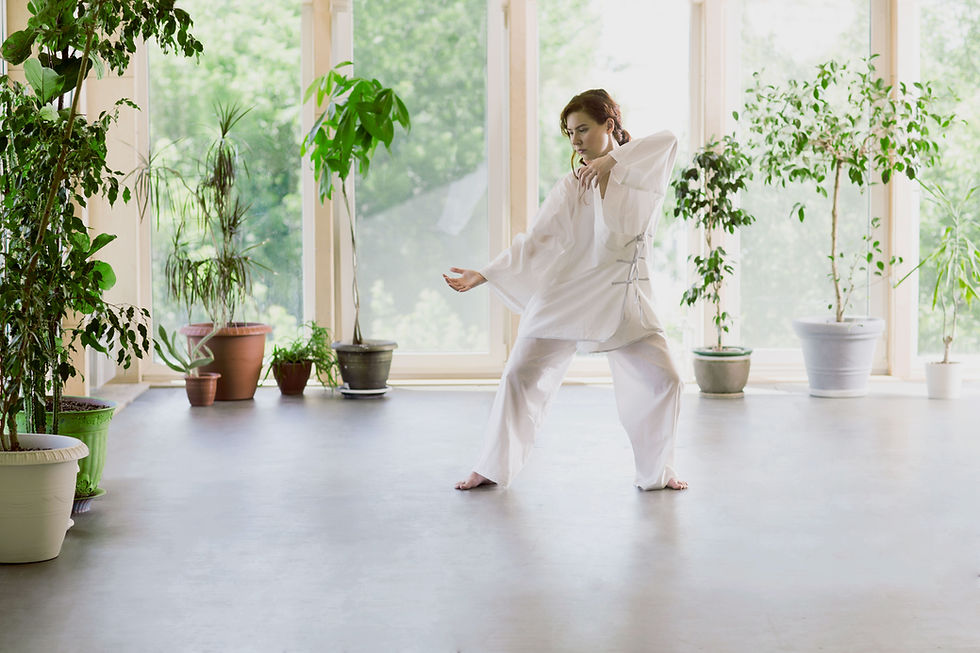
Many experienced practitioners agree that the most effective way to learn Tai Chi is through a balance of guided classes and self-practice. This blended approach offers structure, flexibility, and depth — allowing students to build strong foundations with a teacher while developing confidence and independence through personal practice.
This article explores how combining class-based learning with self-practice can improve technique, accelerate progress, and deepen understanding. You’ll discover why classes provide essential feedback and guidance, how practising on your own helps integrate Tai Chi into everyday life, and why returning to class supports refinement and prevents unhelpful habits from forming. This approach is ideal for both beginners and continuing students who want to learn Tai Chi safely, effectively, and sustainably.
For a deeper look at choosing the right learning path, read our article Learning Tai Chi on Your Own vs With a Teacher.
Combining Self-Practice with Classes for Faster Progress
OVERVIEW :
Learning Foundations in Class

Classes help you:
Establish correct posture and alignment
Understand principles, not just shapes
Build strong foundations early
Teachers ensure you start well — which makes everything that follows easier.
If you’d like a gentle way to begin, my free online Tai Chi for Calm & Focus video is perfect. Fill out your details below 👇to start now.

Practising on Your Own

Self-practice allows you to:
Memorise and integrate forms
Build confidence and independence
Develop self-discipline
Tai Chi principles naturally extend into daily life — how you walk, stand, lift objects, relate to others, and notice your environment.
Returning to Class to Recalibrate

Combining Self-Practice with Classes for Faster Progress
Coming back to class allows:
Technique refinement
Correction of emerging habits
Deeper layers of practice to unfold
Teachers can “nip things in the bud” before habits become difficult to unlearn.
Benefits of the Blended Approach

Self-Practice | Class Learning |
Flexibility | Personalised feedback |
Confidence | Structured progression |
Daily integration | Community & inspiration |
Call to Action
🎁 Free Tai Chi Video: Enter your details to download a gentle Tai Chi session and start practising today.
📍 Sydney locals: Join our Monthly Mindful Movement & Sound Bath Meditation in Castle Hill.

✨ Visit our website for the current timetable or contact us at info@theresaperrywellbeing.com for private classes.
Final THOUGHTS

Tai Chi is not confined to the studio — it is an art of living. Practising both in and out of class encourages awareness, balance, and ease to naturally weave into everyday life.
A blended approach supports confidence, self-responsibility, and long-term growth while still benefiting from skilled guidance when needed.

Other related articles

If you’d like a gentle way to begin, my free online Tai Chi for Calm & Focus video is perfect. Fill out your details below 👇to start now.
💫 Sydney friends — come join me in person! Experience calm and connection at my next Mindful Movement & Sound Bath Meditation session. We blend a beutifully balanced reset session that involves mindful Tai Chi to help you ground and still the mind and relax with an optional seated or lying down sound bath meditation with the soothing sounds from Tibetan singing bowls, handpan, chimes and more. Reserve your spot below 👇


Comments